
other treatment
Robotic systems do not perform the surgery;
instead, they help me plan and execute the operation with an exceptionally high level of accuracy. When combined with my surgical expertise at Guy’s & St Thomas’ and my background as a physiotherapist, robotic technology can help create a more personalised, stable, and natural-feeling joint replacement.
I currently use the ROSA robotic system at Sussex Premier Health and The Horder Centre, enhancing our position as a leading UK centre for joint reconstruction.
Robotic surgery can support:
More precise implant positioning
Personalised alignment based on your anatomy and movement patterns
Reduced soft-tissue disruption
Potential for improved balance, stability, and long-term comfort
Consistency and accuracy across different knee and hip replacement procedures
Robotic assistance is not necessary for every patient, but when used appropriately, it can help achieve a joint that feels more natural and functions more reliably over time.
other treatment
How Robotic Surgery Works
Robotic systems combine:
Real-time imaging or intraoperative mapping of your knee or hip
Computerised surgical planning tools
A robotic arm or guided instrumentation to help position implants safely and accurately
Feedback and stability assessment to tailor the replacement to your soft tissues
This approach allows the surgery to be customised to your anatomy, ligament tension, and functional alignment — something particularly valuable in knee replacement where alignment philosophies continue to evolve.
Robotic technology supports, rather than replaces, surgical judgement.
Your recovery still depends on a combination of precise surgery, personalised rehabilitation, and close follow-up — all areas in which my dual background helps ensure a smooth post-operative journey.
other treatment
FAQs
Is robotic joint replacement better than traditional surgery?
Not necessarily “better,” but often more precise. Robotics enhances planning and accuracy, which may lead to: • Improved alignment • Better stability • More natural knee or hip motion • Potentially longer implant lifespan However, excellent outcomes are also achieved using traditional techniques. The key is selecting the right approach for your anatomy and goals.
Does the robot perform the operation?
No — the robot does not operate on you. It acts as a highly accurate guidance system, allowing me to place the implants with precision while maintaining full control of the surgery.
Is robotic surgery right for everyone?
Not always. Robotic techniques are particularly helpful for: • knee arthritis where personalised alignment is important • patients with unusual anatomy • partial knee replacements • patients seeking the most technically precise approach • complex or revision cases in selected circumstances During your consultation, we’ll discuss whether robotic assistance is likely to benefit your specific situation.
Will robotic surgery change my recovery?
Recovery is still guided by: • good surgical technique • structured physiotherapy • your general health • your activity goals Some patients notice improved early confidence due to better soft-tissue balance, but the long-term rehabilitation principles remain the same.
Is robotic surgery available at all hospitals?
No. Currently, I perform: • ROSA robotic knee replacement at Sussex Premier Health and The Horder Centre
Is robotic surgery safe?
Yes — robotic systems undergo rigorous testing and are widely used internationally.
other treatment
Personalised Joint Replacement
Every hip and knee is different — and so is every patient. Personalised joint replacement focuses on tailoring the procedure to your anatomy, movement patterns, soft-tissue balance, and lifestyle goals, rather than using a one-size-fits-all approach.
For many people, joint replacement surgery is a major life decision, and understanding the different options is important. My role is to guide you through this clearly and confidently.
With experience in kinematic alignment, functional alignment, ligament-guided techniques, I ensure that your operation is planned and executed around what matters most: a stable, comfortable, natural-feeling joint that supports your long-term mobility.
Personalised joint replacement can be used in:
Total knee replacement
Partial knee replacement
Total hip replacement
Robotic-assisted procedures
The goal is simple: a joint that feels like it belongs to you.
What Makes a Joint Replacement “Personalised”?
Personalisation can involve one or more of the following:
Detailed Pre-operative Planning
Using X-rays, long-leg alignment films, CT scans (when needed), or digital templating to evaluate your unique anatomy.
Understanding Your Natural Alignment
Some people are naturally more bow-legged or knock-kneed. Recreating this may feel more natural than forcing a textbook-neutral position.
Ligament-Guided Balancing
Balancing the ligaments to ensure stability throughout the full arc of motion — not just in one position.
Robotic or Computer-Enhanced Precision
Robotics can help execute the personalised plan with exceptional accuracy.
Tailoring Implant Choice
Selecting implants that match your bone shape, activity level, and long-term goals.
This combination supports a joint replacement that feels stable, smooth, and more “normal” during everyday activities.
Benefits of Personalised Joint Replacement
More natural joint movement
Improved stability and balance
Better match to your normal walking pattern
Reduced risk of over-tight or over-loose ligaments
High patient satisfaction
Potential for improved longevity
Personalisation does not mean “experimental.” These techniques are evidence-based and increasingly used in advanced orthopaedic centres.
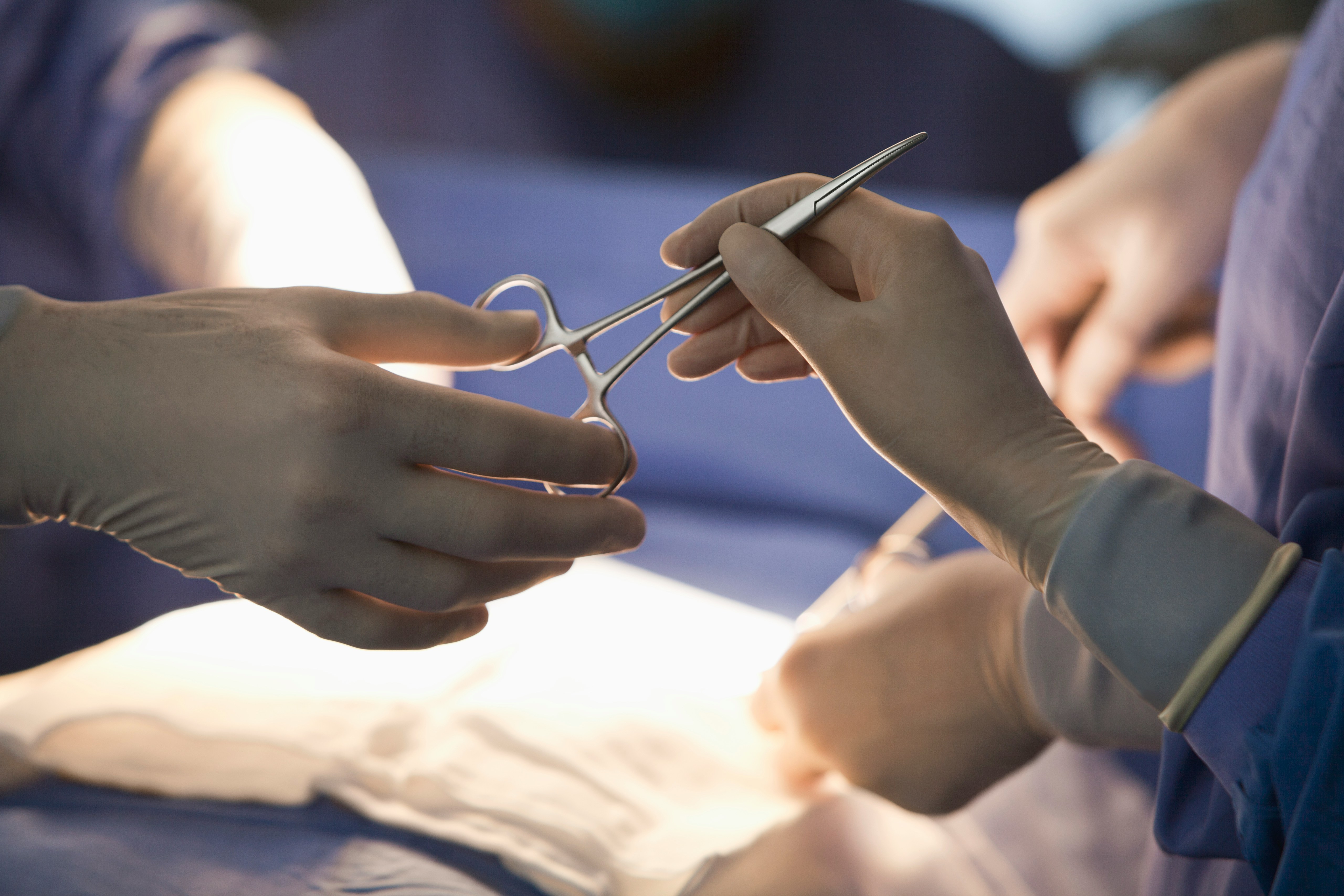

other treatment
Keyhole (Arthroscopic) Knee Surgery
Keyhole (arthroscopic) knee surgery is a minimally invasive technique that uses a small camera and fine instruments to diagnose and treat conditions inside the knee. For many patients — particularly those with mechanical symptoms such as locking, catching, instability, or painful meniscal tears — arthroscopy can provide rapid relief and restore confidence in movement.
Not all knee problems respond to keyhole surgery, particularly when arthritis is advanced. My role is to help you understand whether arthroscopy is likely to help your specific symptoms, and whether alternative treatments may offer better long-term benefits.
Arthroscopy is commonly used to treat:
Meniscal (cartilage) tears
Loose bodies (fragments of cartilage or bone)
Early cartilage injuries
Soft-tissue impingement inside the joint
Recovery is typically quicker than open surgery, with most patients returning to normal daily activities within days to weeks, depending on the procedure.
other treatment
Non-Surgical Treatments
Non-surgical management forms the foundation of care for many hip and knee conditions. Even if surgery is considered later, these treatments can reduce pain, improve function, and support long-term joint health.
My combined physiotherapy and surgical background means I place equal importance on both aspects — ensuring that you understand all non-operative options before making any decision about surgery.
This section covers:
Knee Injections
Hip Injections
Bracing
Physical Therapy
Knee Injections
Knee injections can reduce inflammation, relieve pain, and support rehabilitation. They are often useful when symptoms flare or when you wish to delay surgery.
Common options include:
Corticosteroid injections
Provide short-term relief of inflammation and swelling.
Hyaluronic acid (viscosupplementation)
Improves lubrication inside the knee, reducing stiffness and facilitating smoother movement.
Arthrosamid
Arthrosamid is a long-acting hydrogel injection designed specifically for knee osteoarthritis and can provide relief lasting
It may be a good option if:
your knee arthritis is painful, but you are not ready for replacement surgery
you want to delay surgery safely
other injections have not provided lasting relief
Bracing
Bracing can support the knee after injury or during early arthritis. Different braces are designed to:
Offload pressure from the arthritic part of the knee
Stabilise ligament injuries
Support return to activity after trauma
Improve confidence during sport or daily movement
Physical Therapy
Physiotherapy is central to nearly all hip and knee treatment plans — whether surgical or non-surgical.
Strengthening, balance training, activity modification, and mobility work help:
Reduce pain
Improve walking distance
Support long-term joint health
Enhance outcomes after surgery
With my background as a physiotherapist, I place strong emphasis on designing personalised rehabilitation plans that integrate seamlessly with any injections or surgical procedures.