hip Treatment

That is why expert assessment and clear guidance are so important.
With a background in physiotherapy and extensive experience as a consultant hip surgeon, I help you understand your diagnosis, your treatment options, and the likely outcomes of surgery versus continued non-operative management. My aim is to support you in making the right choice for your lifestyle, goals, and long-term health.
Hip replacement surgery is one of the most successful operations in modern medicine.
With careful planning, precise surgical technique, and structured rehabilitation, most patients experience a dramatic improvement in pain and mobility, returning to a confident and active life.
I offer a full range of approaches, including total hip replacement, minimally invasive techniques, and revision hip surgery, all supported by modern implants and enhanced-recovery programmes.
hip treatment
Total Hip Replacement
A total hip replacement (THR) is recommended when arthritis or joint damage causes persistent groin or buttock pain, reduced mobility, and difficulty with daily activities. Many patients reach a point where walking, sleeping, or even sitting for long periods becomes a struggle.
During your consultation, we will discuss:
Whether now is the right time for surgery
What improvements you can expect
Implant options and longevity
Your individual anatomy and alignment
Your goals — from pain relief to activity levels
As both a surgeon and former physiotherapist, I ensure you understand not only the operation itself but also the expected recovery, strengthening programme, and long-term joint protection strategies.
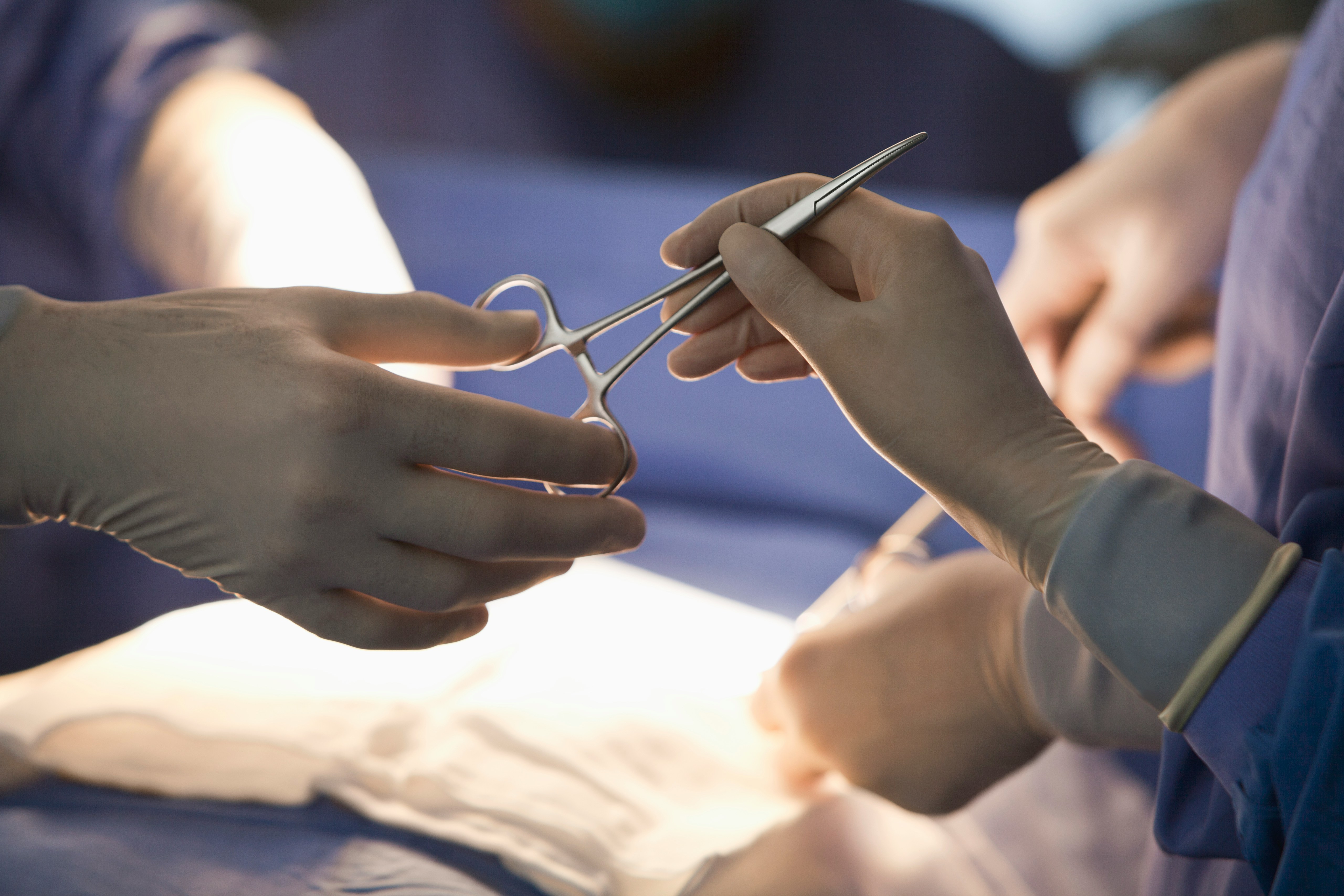
During THR, the worn ball and socket are replaced with durable, smooth components designed to restore natural movement.
Most patients walk on the day of surgery and progress steadily over the first 6–12 weeks.

hip treatment
Minimally Invasive Hip Replacement
A minimally invasive hip replacement uses smaller incisions and aims to reduce disruption to surrounding muscles and tissues. This technique can offer:
Less early pain
Faster initial mobility
Shorter hospital stay
A smaller scar
Not every patient is a candidate for minimally invasive surgery, but when appropriate it can support a quicker early recovery.
Your hip anatomy, muscle balance, and medical history all guide whether this is the right approach.
hip treatment
Redo (Revision) Hip Replacement Surgery
Revision hip surgery becomes necessary when a previous hip replacement becomes painful, loose, infected, unstable, or worn. These cases can be complex and often require specialist expertise and multidisciplinary planning.
I am part of a team managing complex and revision hip arthroplasty. My physiotherapy background adds further value when counselling patients, allowing me to provide realistic expectations for recovery and functional outcomes.
Revision surgery may involve:
Removing failed or loose implants
Rebuilding bone loss with specialist techniques
Addressing infection, often in a staged approach
Improving stability and alignment
Restoring mobility with modern modular and reconstruction implants
Even when patients have been struggling for years, revision surgery can significantly improve comfort and function when the underlying cause is properly identified.