A guide to partial knee replacement surgery: how it differs from a total knee replacement, who's a good candidate, and what recovery involves.
Christopher Buckle
Knee Treatment
A Less Invasive Option for Knee Arthritis
If arthritis has damaged only part of your knee, a full knee replacement may not be your only option.
Partial knee replacement, also known as unicompartmental knee replacement, resurfaces just the affected area of the joint, leaving healthy bone, cartilage and ligaments untouched. For the right patient, it can mean a smaller operation, a faster recovery, and a knee that feels more like their own.
What Is Partial Knee Replacement?
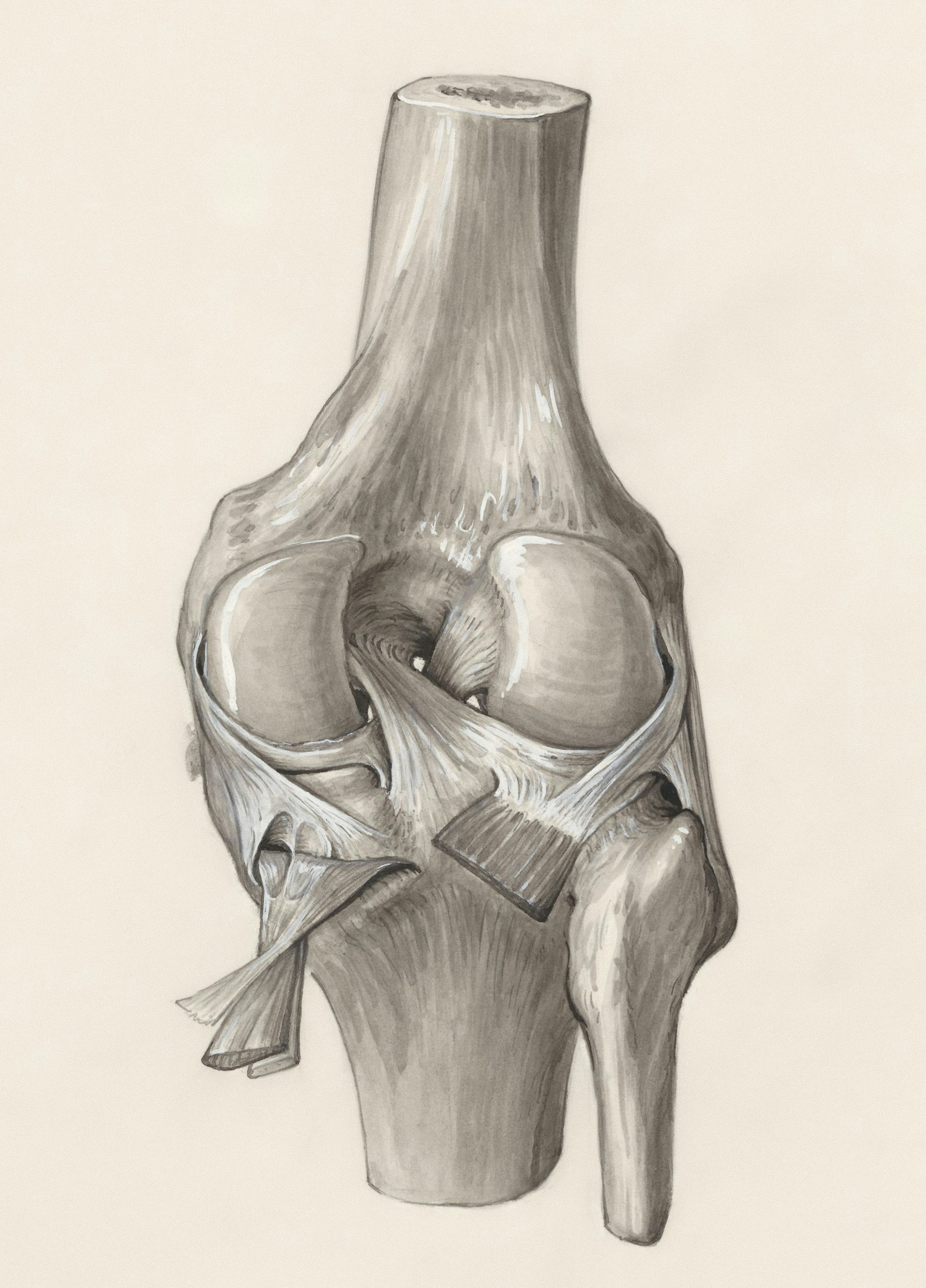
The knee is divided into three compartments: the medial (inner) side, the lateral (outer) side, and the patellofemoral joint behind the kneecap. Most people who develop osteoarthritis experience wear in just one of these areas, most commonly the medial compartment. Partial knee replacement targets only the damaged compartment, using a smaller implant than a total knee replacement and preserving the knee's natural ligaments.
Common signs that arthritis may be limited to one part of the knee include pain concentrated on the inner or outer side of the joint, discomfort that's worse on stairs, or a sense that the knee gives way to one side. Imaging such as an X-ray or MRI is needed to confirm which compartments are affected, since knee pain doesn't always point to a straightforward diagnosis.
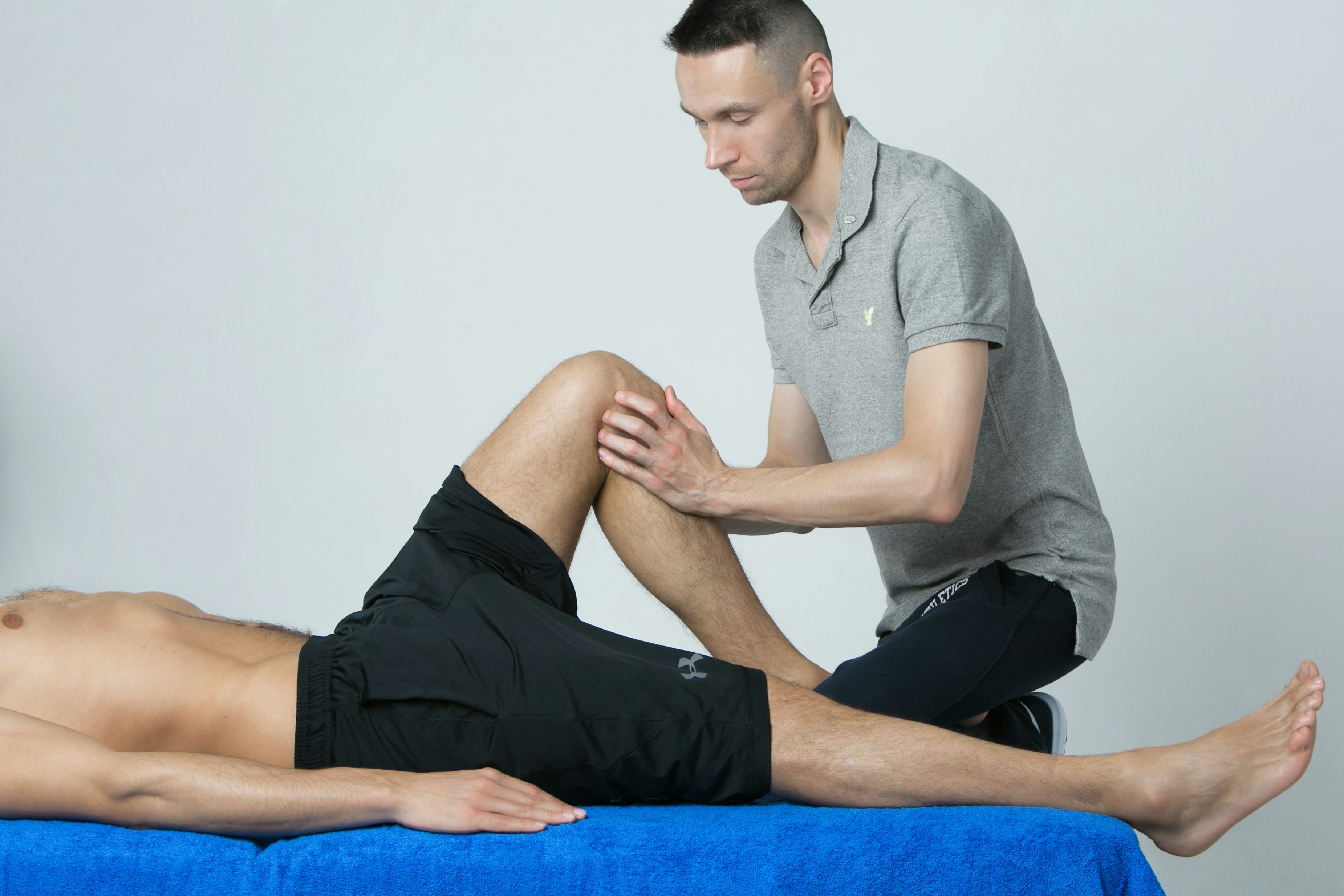
If you're considering knee replacement surgery, your specialist will assess your symptoms, examine your knee's range of movement and stability, and arrange imaging to map out exactly where the joint has been affected. This assessment determines not just whether you're a candidate for surgery, but which type of replacement, partial or total, is likely to give you the best outcome.
Partial knee replacement is generally suitable for people whose arthritis is confined to a single compartment, most often the medial side. It tends to work best for patients with intact ligaments, particularly the anterior cruciate ligament, and reasonable knee alignment and mobility. Around one in four people needing a knee replacement may be suitable candidates, although this depends on individual assessment.
Compared with a total knee replacement, partial knee replacement is less invasive. The incision is smaller, less bone and soft tissue is disturbed, and because healthy ligaments are retained, many patients describe the knee feeling more natural afterwards. Clinical studies have shown that, for well-selected patients, partial knee replacement is associated with a shorter hospital stay, a faster return to walking, and quicker recovery of function in the weeks after surgery.
Research using data from the National Joint Registry has found that partial knee replacements can offer better outcomes than total knee replacements for suitable patients, particularly when performed by surgeons experienced in the technique. The evidence also suggests it can be a more cost-effective option for the health service, without compromising quality of care.
Partial knee replacement isn't right for everyone. Because it only addresses one part of the knee, arthritis affecting other compartments can progress over time and may eventually require conversion to a total knee replacement. Revision rates for partial knee replacement are somewhat higher than for total knee replacement, so it's important that candidacy is assessed carefully and that patients understand the trade-offs before deciding on surgery.
Most patients stay in hospital for one to two days after surgery and are encouraged to begin walking, with support, on the same day or the day after. Many people return to everyday activities within three to four weeks, considerably sooner than the two to three months typically associated with total knee replacement recovery. As with any joint replacement, a structured rehabilitation programme plays an important part in achieving a good outcome.
Is Partial Knee Replacement Right for You?
The best way to find out whether partial knee replacement is suitable for you is a thorough assessment, including an examination and imaging to establish exactly which part of your knee is affected. If you're experiencing persistent knee pain and would like to discuss your treatment options, get in touch to arrange a consultation.